

The Nordic wildlife is an integral part of what we all find so fascinating about the North: puffins sail alongside us during our coastal hike, from the ship we watch whales breaching the surface of the water with their gigantic backs, through binoculars we observe polar bears plodding in the distance, sled dogs race with us through high snow and dense forests, Icelandic horses carry us through the vast landscape. To ensure that we can continue to share such unforgettable experiences with you, it is important to Kontiki that all encounters with animals on our trips are always respectful, species-appropriate and with animal welfare in mind. We are convinced that longer and more intensive encounters are possible if the animals feel comfortable. That is why we are committed to responsible travel and animal welfare in the north.
As part of our KONTIKI2030 sustainability commitment, the year 2023 was all about animal welfare. Together with our local partners, we want to ensure that animal welfare is firmly anchored throughout the North and that we set high animal welfare standards. Our promise is that by 2030, all our providers will meet Kontiki’s animal welfare requirements, which are based on internationally recognised standards. To achieve this, we are in close dialogue with our partners in the destinations as well as international animal welfare experts. Together, we are reviewing Kontiki’s travel portfolio, expanding our animal welfare policy, recognising tour operators with a particularly high level of commitment, strengthening our communication on the topic and raising awareness among customers and partners. We look forward to sharing our milestones with you on this page.
Our commitment to animal welfare
As part of the DERTOUR Group, we comply with the Group’s own animal welfare policy, which was developed in 2019 in consultation with animal welfare experts. Since then, we have supported its implementation and continuous improvement. The criteria and standards are based on the ones set by the British travel association ABTA and were adapted for the entire DERTour Group in collaboration with Animondial.
In addition, Kontiki implements specific projects and guidelines for animals that are particularly affected by tourism in the North:
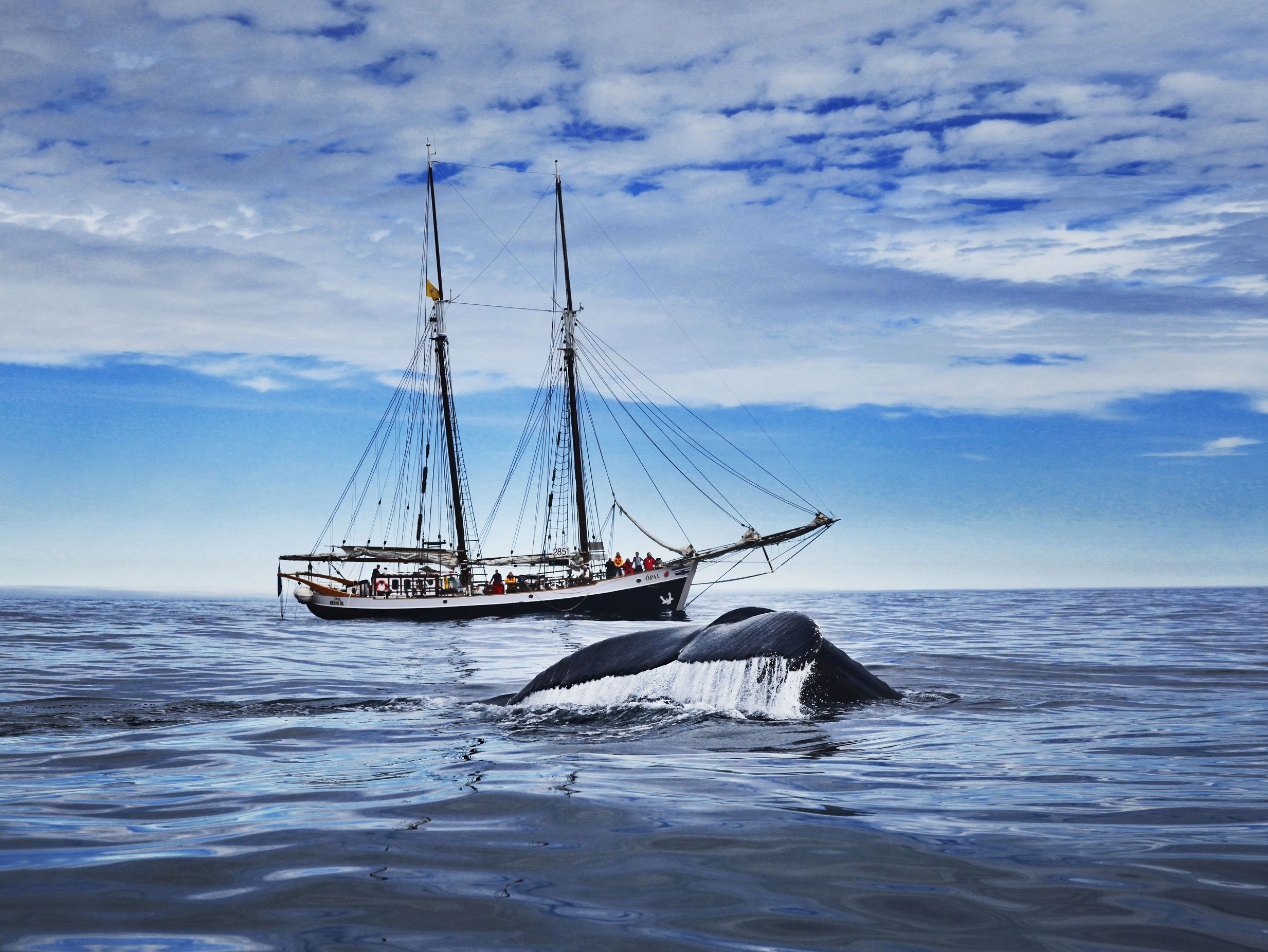
Whales
Have you ever seen a whale emerge from the sea? Watching these giants is an unforgettable experience that should always be supported by respect for the animals. To ensure this, we are involved in various ways:
- When choosing a whale watching service, Kontiki ensures that the provider is committed to a code of conduct that is based on the official standards of IceWhale and Visit Tromsø. The code regulates important points such as the appropriate distance between boats and animals, travelling speed as well as the time limit for observing a single whale.
- Kontiki Reisen distances itself from whaling.
- We obligate our group travel partners not to serve whale meat to Kontiki groups.
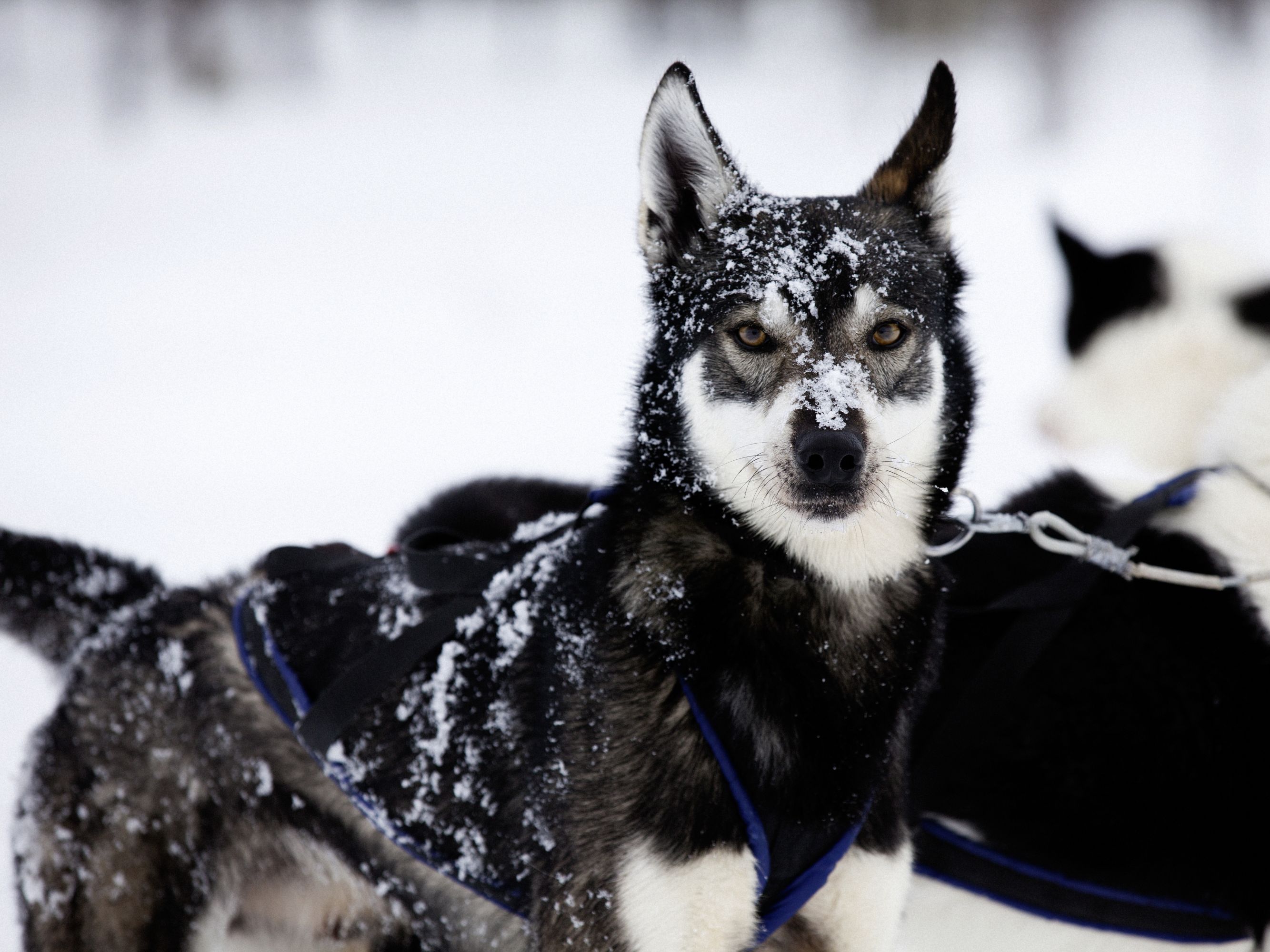
Sled dogs
Originally used as a means of transportation by the Inuit, dog sledding has been one of the most popular activities for travellers to the North for many years. In order for you to enjoy your trip to the fullest, we are committed to the well-being of the dogs behind the scenes. In 2023, we focused on this and were able to celebrate the following milestones:
- In 2021, our appeal for donations «(K)ein Hundeleben für Huskys» collected CHF 66,772 for dog farms, to enable them to provide for their animals during the pandemic.
- In October 2023, we organised a roundtable to exchange experiences and ideas with partners. This has led to numerous initiatives, such as the promotion of animal welfare certificates or greater customer awareness concerning animal welfare.
- In December 2023, we developed new minimum and best practice standards in regard to our dog sledding tours. These are now being evaluated for us by experts and partners and then implemented.
More information about daily life on a dog farm and how you can contribute to the welfare of the animals can be found here. (Coming soon)
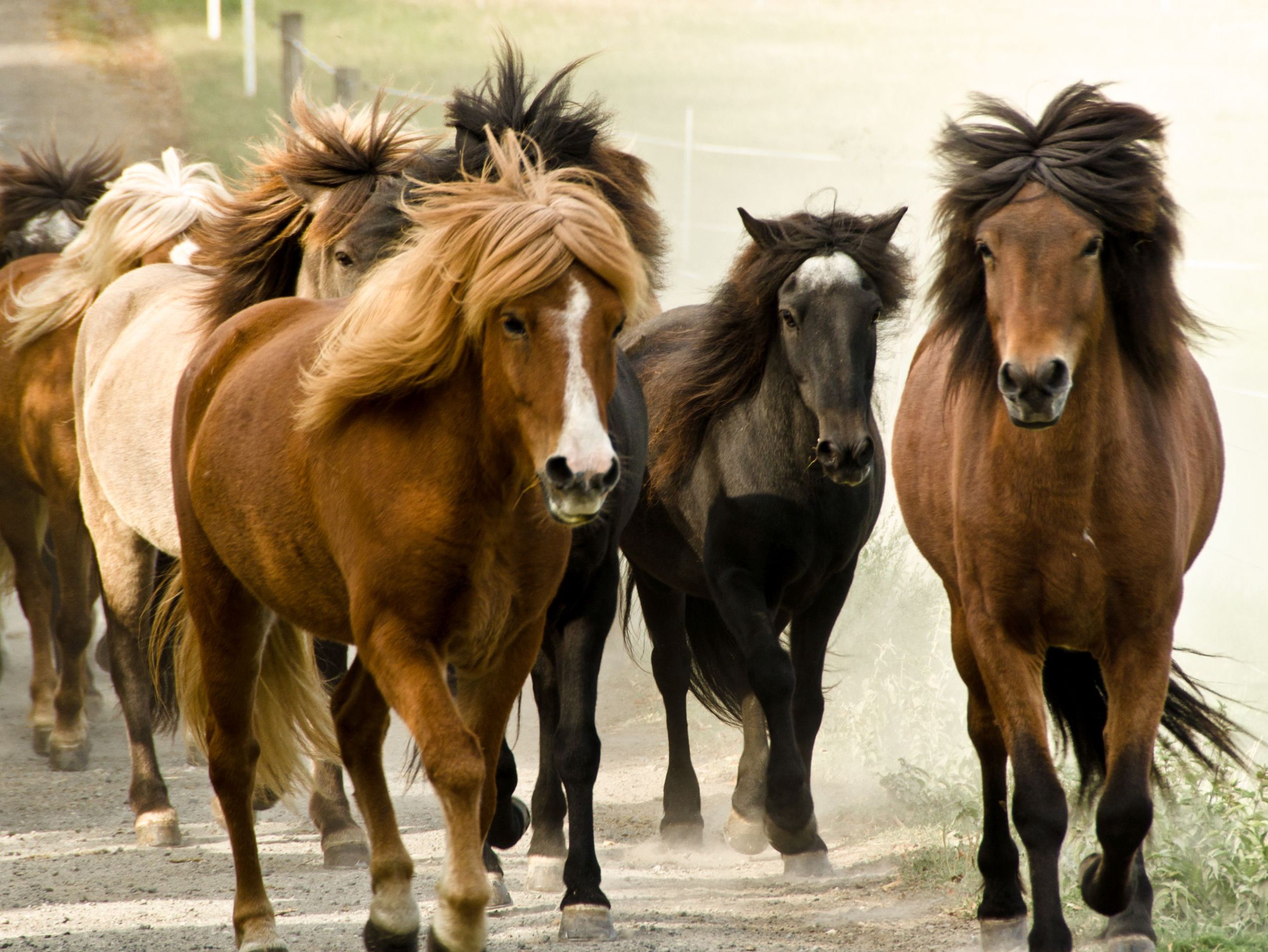
Icelandic horses
Getting to know the almost unreal landscape of Iceland from the back of an Icelandic horse is a particularly intense experience. This is how we protect the animals:
- Our colleague Salome Litke is our specialist for horseback riding tours in Iceland. She owns an Icelandic horse herself and has trained as an equine specialist, specialising in gaited horses. She carries out our on-site audits and is responsible for liaising with our partners.
- In 2023, we conducted a survey with our partner riding stables to improve the visibility of their commitment to horse welfare. The questionnaire was based on the animal welfare criteria of the University of Lapland.
- In December 2023, we developed a minimum and best practice standard for our riding tours based on the results of the animal welfare survey. We are now having this reviewed by partners and experts in a feedback round.
More information about our commitment to horse welfare can be found here. (Coming soon)
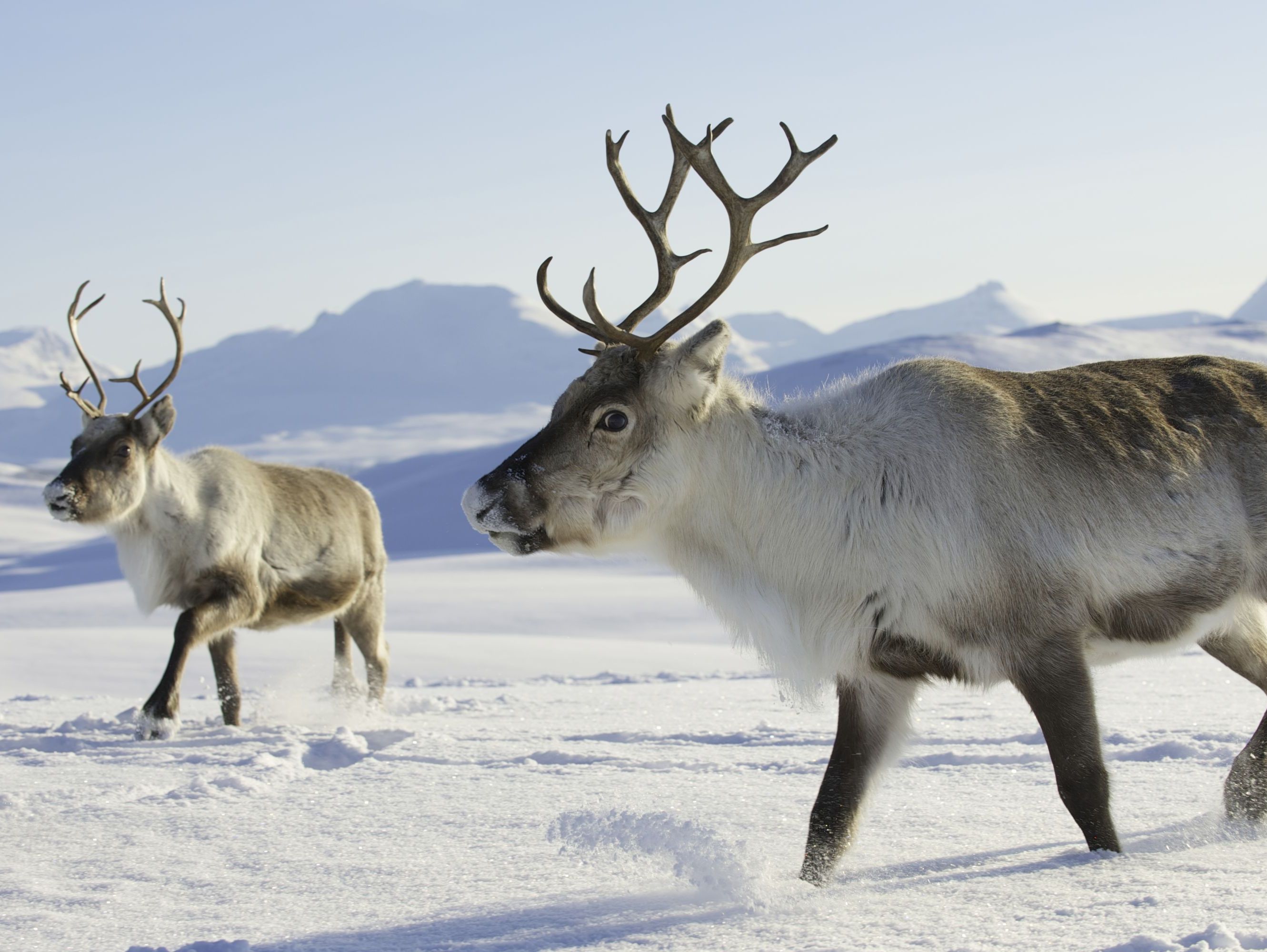
Reindeer
For many, reindeer are the symbol of the North. People started keeping reindeer in herds over 600 years ago and reindeer herding is still a great tradition today. In Norway, only Sámi are allowed to become reindeer herders in order to protect this traditional way of life. Kontiki is committed to the protection of these unique creatures:
- In October 2023 we organised a roundtable on animal welfare of reindeer in tourism. We talked to partners about the differences between Norway, Sweden and Finland and how we can work together to protect animals.
- Next year, in collaboration with partners and experts, we want to look at possible animal welfare standards and create tips for you on what to look out for when you meet these animals.
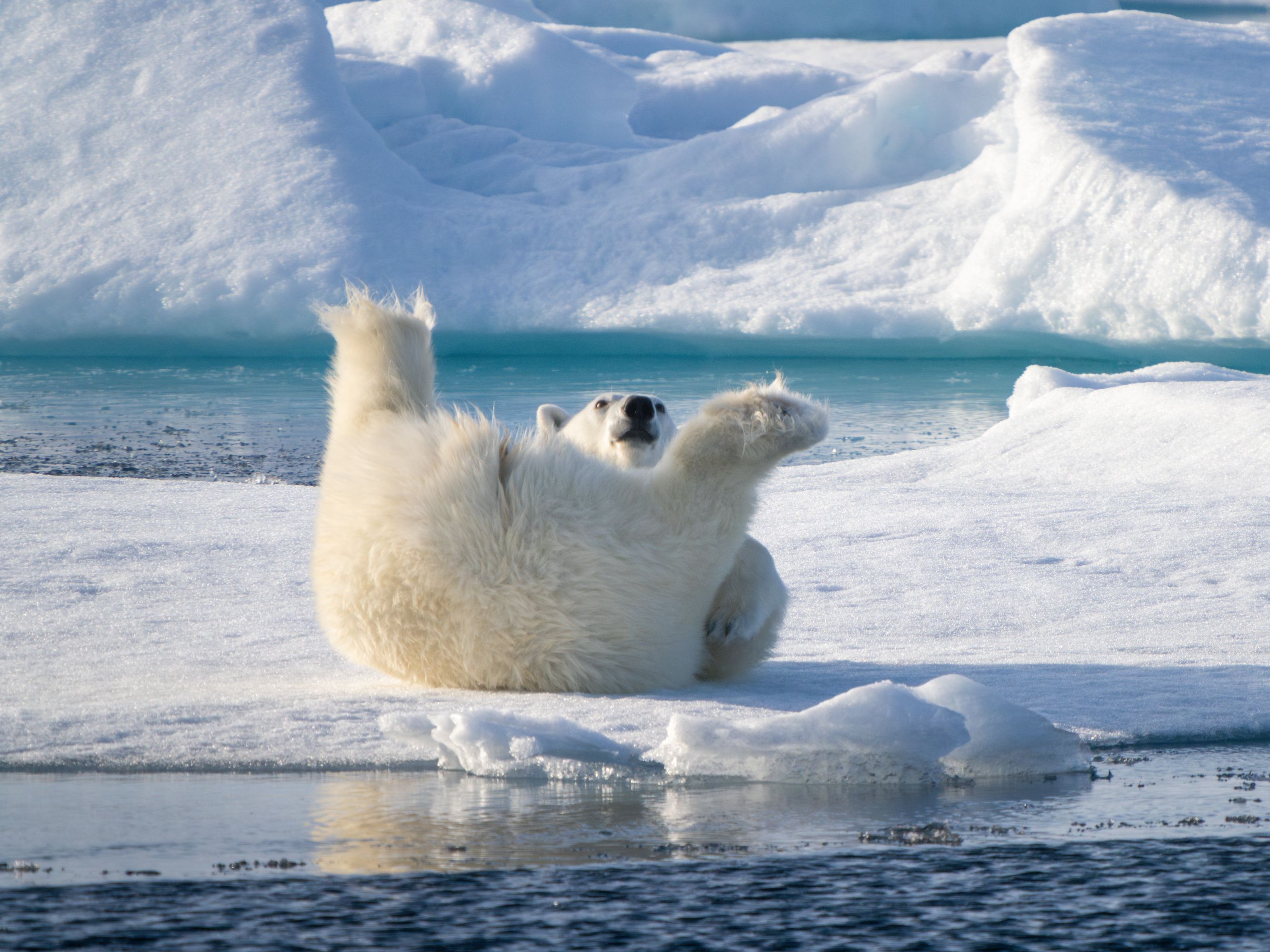
Birds, (polar) bears, sea seals, polar foxes, and musk oxen
Perhaps at first glance an unusual mix of animals, but they all have one thing in common: it is best and most responsible to observe them carefully and unnoticed from a distance. If the animals feel comfortable and undisturbed, it also increases your chance of better experiencing the animals in their natural environment.
- Are you going on your own? We recommend that you follow the recommendations of the Wild North so that you and the animals have the best possible experience during your encounter. We have summarised the tips for you here: (Coming soon)
- Some animals are better met with an experienced guide. For example, an adult musk ox weighs up to 450 kilograms and can run at speeds of up to 60 km/h. We will be happy to inform you about suitable excursions.
Angling and ice fishing
Angling in the north can be an unforgettable experience. In order to organise the activity as responsibly as possible, we must treat the animals with respect. For this reason, we do not support «catch and release» fishing – that is, fishing with the intention of releasing all the fish caught. Catch and release is prohibited by law in Switzerland. Studies have shown that this can result in injuries and stress, as well as a lower chance of survival after release. This is why Kontiki only wants to offer fishing trips where the catch is processed afterwards. If you would like to go fishing:
- Go fishing with an experienced local guide.
- Only catch as many fish as you intend to eat.
- Inform yourself about responsible angling methods

Helping out and strengthening our commitment
Tourism can play an important role in protecting and preserving our fauna. To achieve this, it is necessary that we always place the welfare of the animals first. Here are a few tips on what you can do:
- Follow the recommendations of The Wild North if you encounter animals in the wild. You can find a summary here.
- Choose animal activities with providers who supply information about their commitment to animal welfare.
- Only book whale watching with providers who adhere to the official IceWhale or Visit Tromsø Code of Conduct. All Kontiki partners are committed to this.
- If you visit a farm – whether it’s a riding stable, husky kennel or reindeer farm – wait for your guide’s instructions before approaching the animals.
- Be aware of your choice of souvenirs and food. For example, refrain from eating whale meat.
- Help protect animals by carefully questioning tourism activities involving animals. An animal thrives when it is healthy, safe, and well-fed. An animal enjoys good welfare when it is able to express natural behaviour and when it does not suffer from unpleasant feelings such as pain, fear and distress.
We are interested in your personal impressions and experiences. Kontiki is always endeavouring to continuously review and expand its animal welfare commitment. Unfortunately, we cannot be in all places at the same time. We therefore welcome your help and support. Do you see something that Kontiki and its partners are already doing very well in animal welfare, or do you notice something on your journey that raises questions? Share it with us via cr@kontiki.ch.
Find out more information and advice on how to treat animals responsibly here:
- General information - ABTA
- Wildlife-watching especially seals, birds, foxes and whales - The Wild North Sustainable Wildlife Tourism Guidelines
- Norway – Whale Watching Guidelines Visit Tromsø, approved by OceanCare and WDC (Whale and Dolphin Conservation)
- Iceland – Whale Watching Guidelines IceWhale
- Iceland – Walfreundliche Restaurants